Progetto europeo
THE MAKE-A-THEK DIGITAL KIT IS ONLINE
The open toolkit to activate creative, circular and inclusive spaces in public libraries is available for all. And here is how it works
EU projects, Innovative manufacturing, Education and Civic engagement
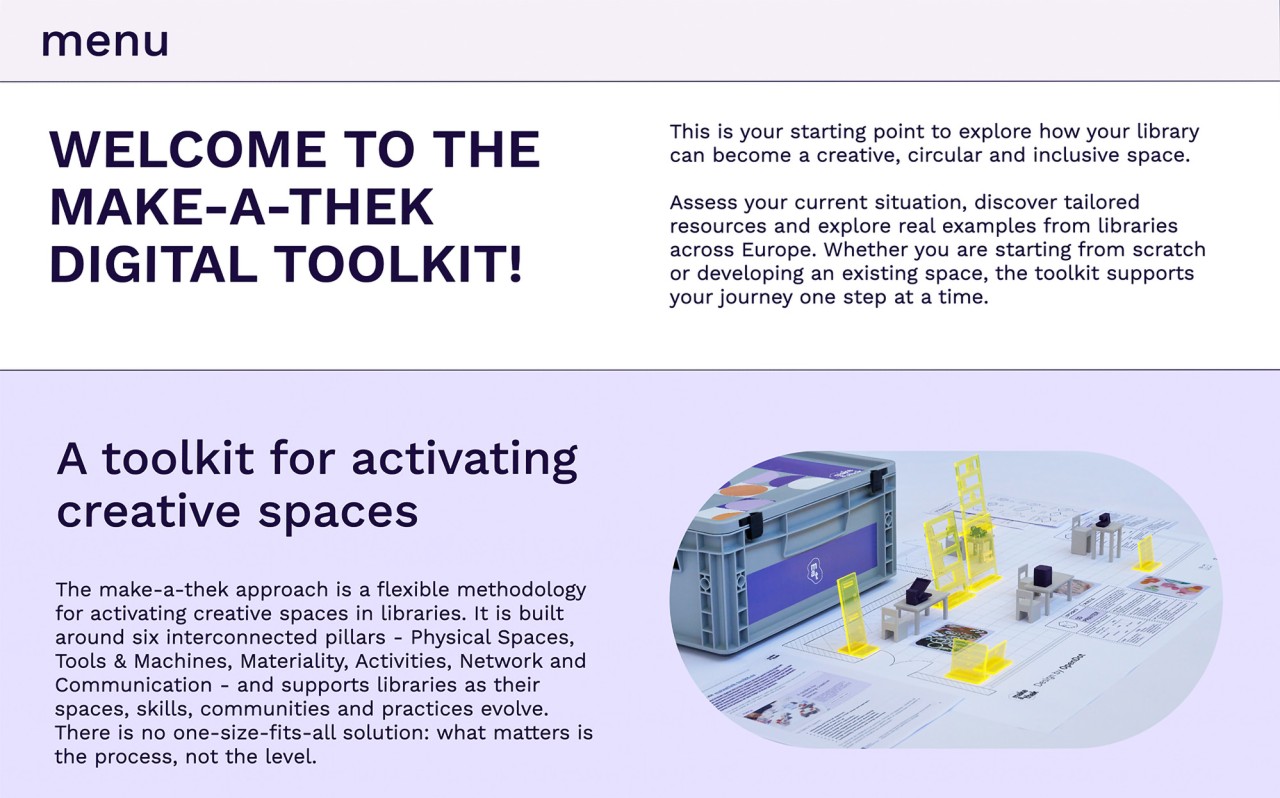
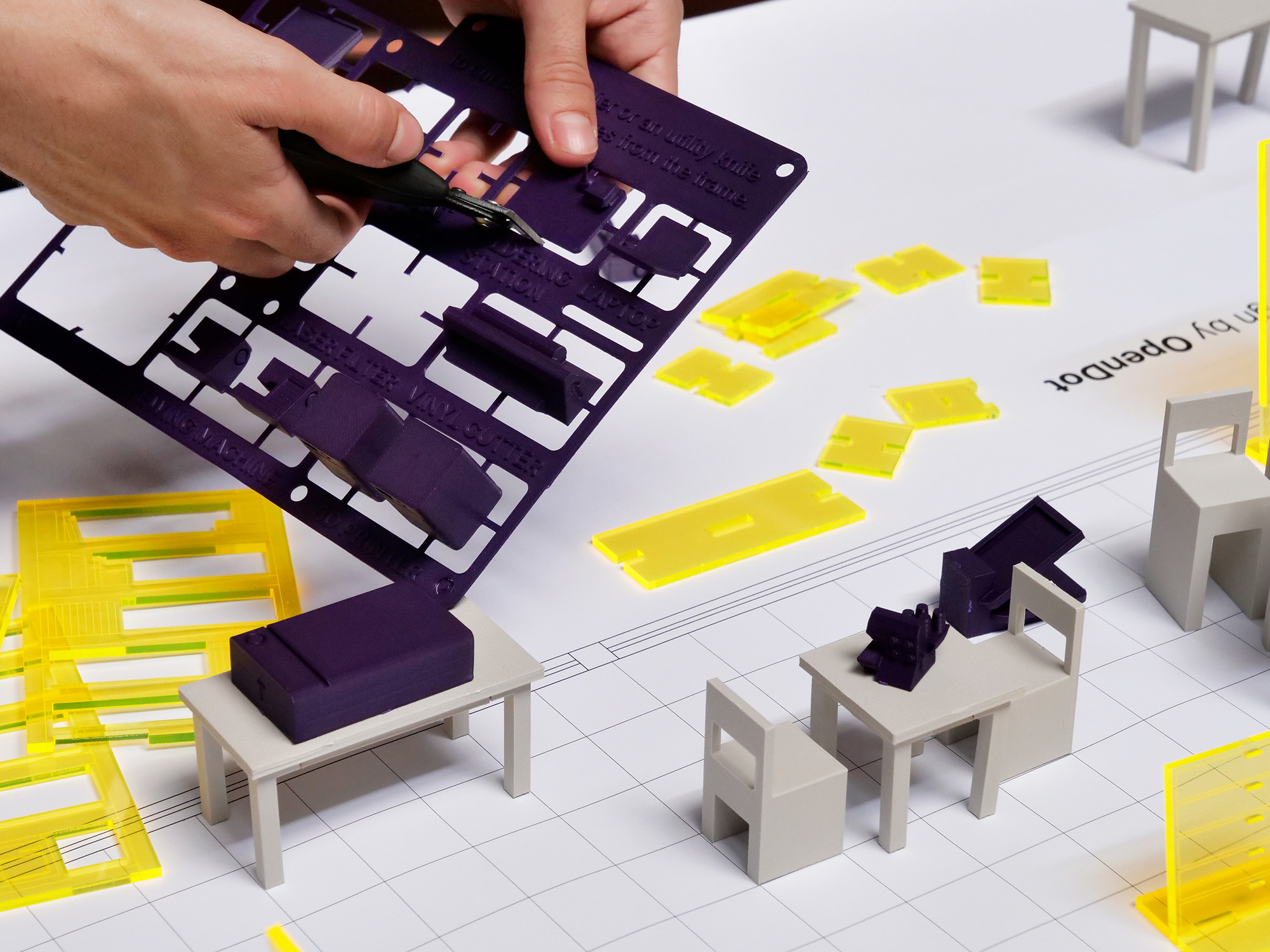
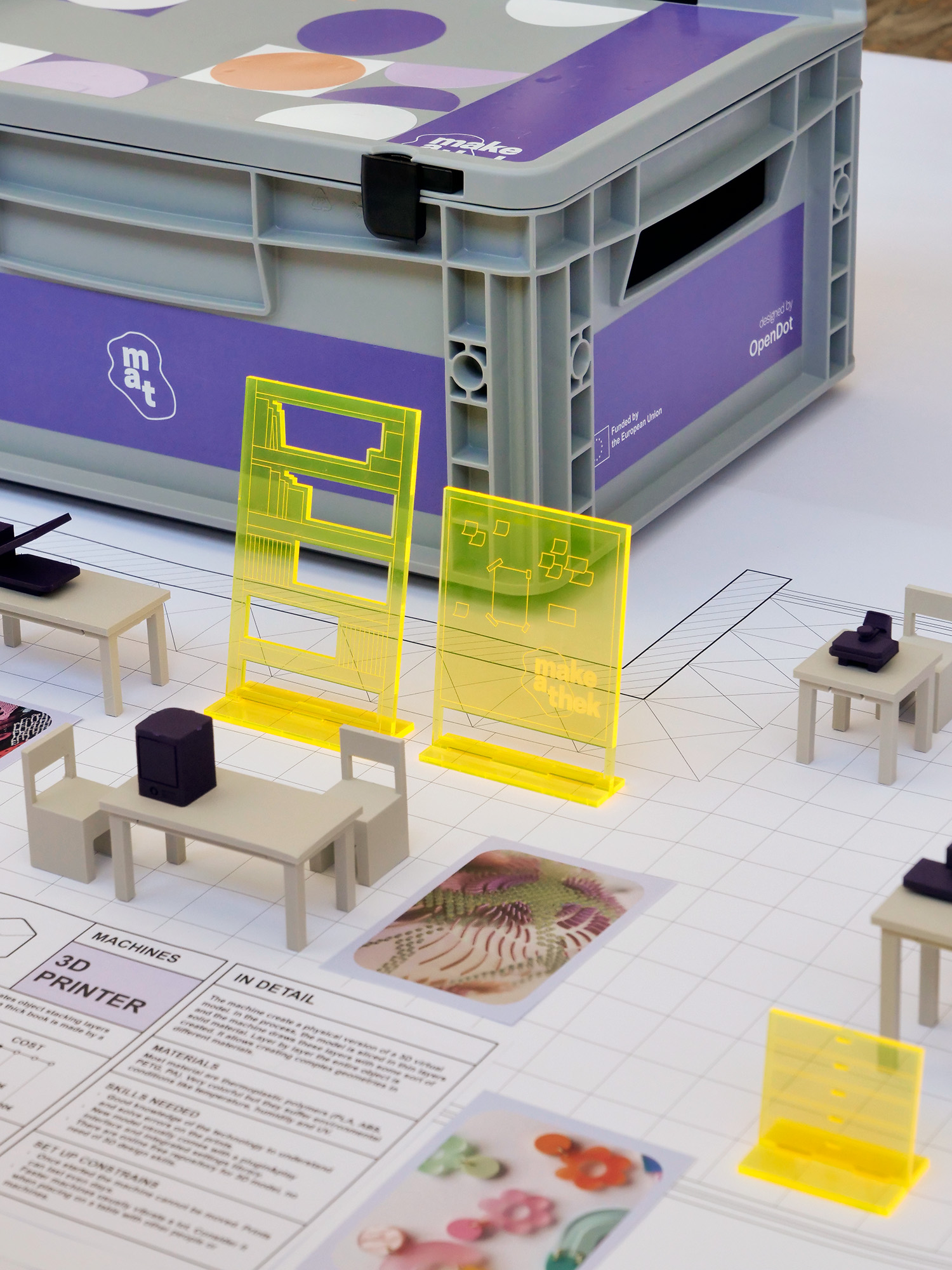
How does a library become a creative space without machines, technical skills or an established community around making? The make-a-thek Digital Toolkit, co-designed and developed by OpenDot within the Horizon Europe project make-a-thek, answers with a free online platform: practical tools, guides, templates, cards, posters, checklists and examples to help public libraries set up, manage and grow makerspaces dedicated to craft, fashion, digital fabrication, reuse and circular practices.
Available at makeathek-toolkit.eu, the kit is not a manual to follow step by step but a modular, evolving collection of resources that each library can explore, combine and adapt to its own context.
The make-a-thek Digital Kit is live at makeathek-toolkit.eu. Start with the questionnaire, explore the six pillars, or browse the full repository to begin designing, activating or growing your own make-a-thek space.
Make-a-thek starts from two ideas: there is no single way to build a makerspace in a public library, and a makerspace is not just an equipped space. The kit was co-designed with 9 pilot libraries starting from very different points: some libraries had tools and technical expertise already in place, others were working from temporary activities, informal networks or nothing at all.
The toolkit therefore meets libraries where they are, across three progressive levels.
At beginner level, libraries take their first accessible steps: understanding what a make-a-thek space needs, mapping resources and local actors, testing simple activities. At intermediate level, they consolidate what exists, organising tools and materials, designing recurring activities, building partnerships. At advanced level, libraries grow into local hubs for circular making and community knowledge, with deeper community ownership, structured documentation and peer-to-peer exchange with other libraries.
The toolkit is organised around six thematic pillars: Physical Spaces (planning and making spaces accessible), Tools & Machines (choosing and managing equipment), Materiality (reuse, repair, local materials, circular flows), Activities (designing workshops and public programmes), Network (mapping communities, partners and experts) and Communication (explaining the project, documenting, sharing stories).
The pillars are not separate boxes but connected dimensions of the same process. A machine becomes meaningful when users can imagine what to do with it; a material becomes a resource when it is tied to a story or a local circular system. A make-a-thek space becomes real when people start to recognise it as theirs, using it, caring for it, shaping it over time.
The kit adapts to how much a library already knows. First-time users can start with a questionnaire that maps where they stand and returns tailored resource recommendations. Libraries with a specific focus can browse the six pillars directly. More experienced users can search the full repository, filtering the complete collection by category.
The toolkit came out of a year of research, prototyping, testing and refinement with pilot libraries, citizens, makers, designers, facilitators and circularity experts: 8 interviews with 17 participants, 6 field visits, 9 co-design sessions, plus community activation activities, questionnaires and hands-on testing with makers and library users. The process moved the project from asking who the users were to asking how libraries could act on their needs in a flexible, progressive, context-sensitive way and the resulting resources are meant to turn shared values into operational decisions: how to organise a space, which machines to introduce, how to store materials, how to involve local communities.
Five make-a-thek spaces have opened from scratch in pilot libraries: Biblioteca Camp de l'Arpa in Barcelona, the Metropolitan Ervin Szabó Library in Budapest, the Hryhorii Skovoroda Central District Library in Kyiv, the Permeke in Antwerp, and Biblioteca Baggio in Milan, opening 10 October 2026. Other libraries, as the Central Library Oodi in Helsinki, built on its existing makerspace to launch an advanced programme of circular fashion, repair and community activation.
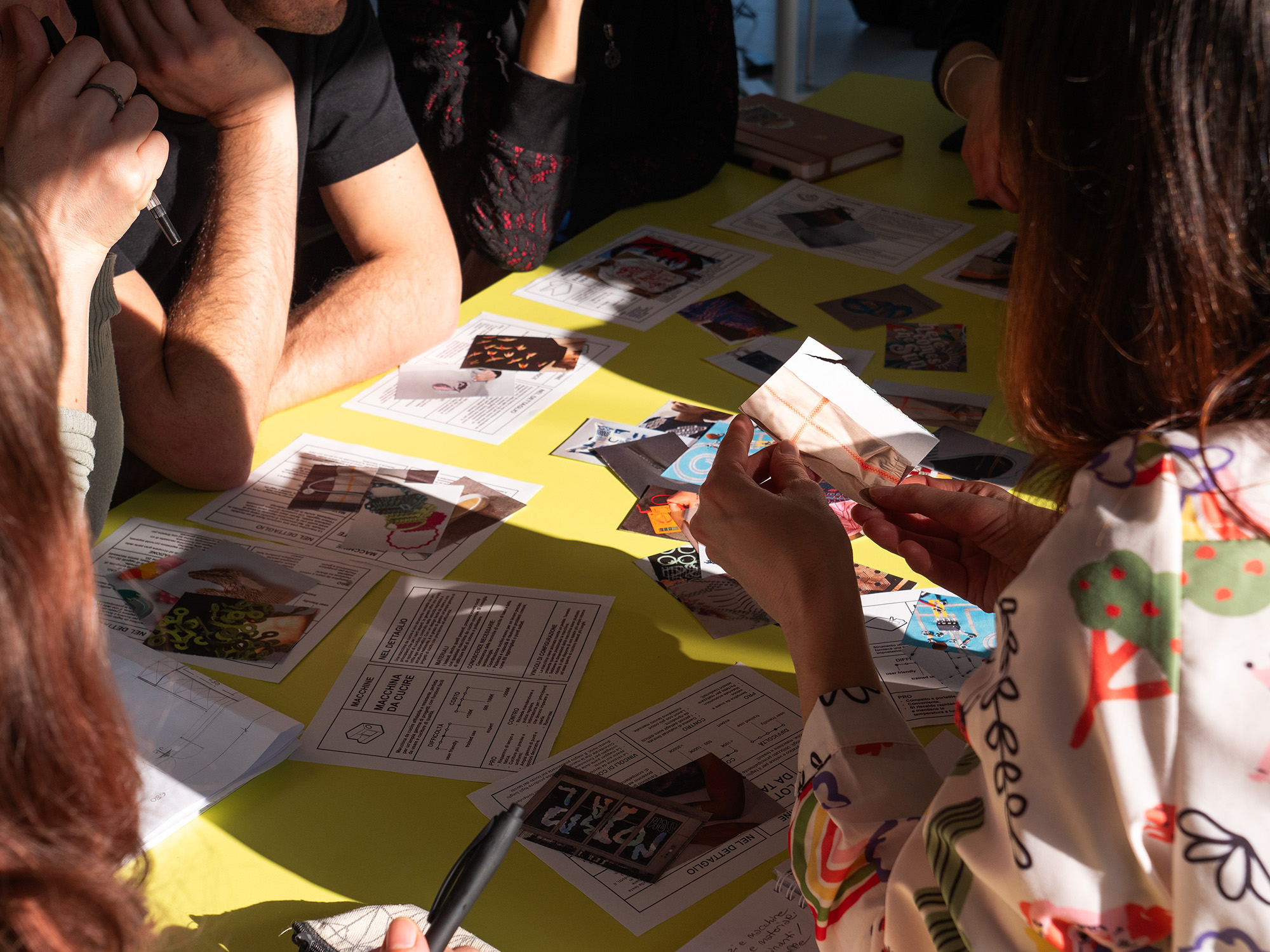
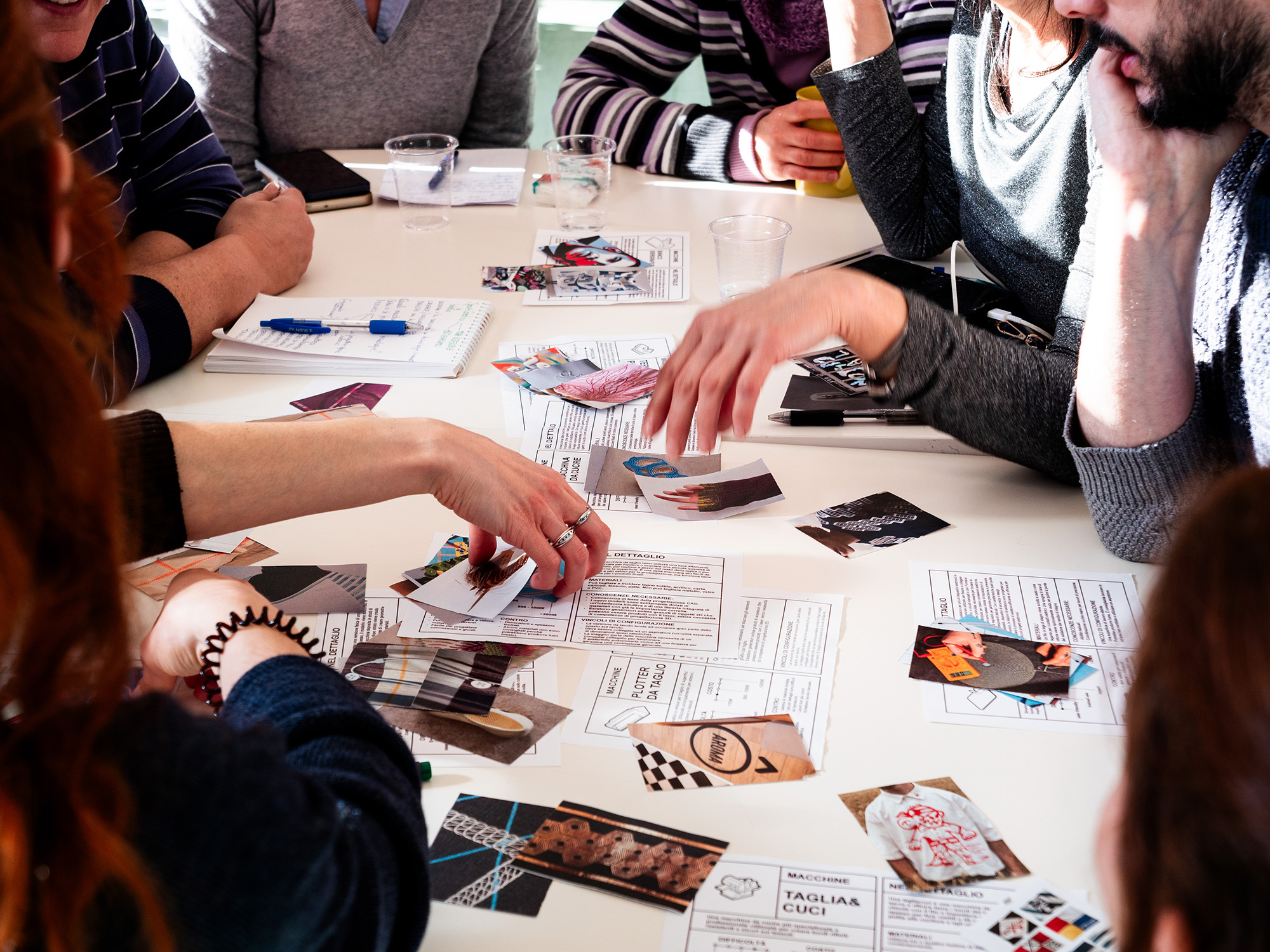
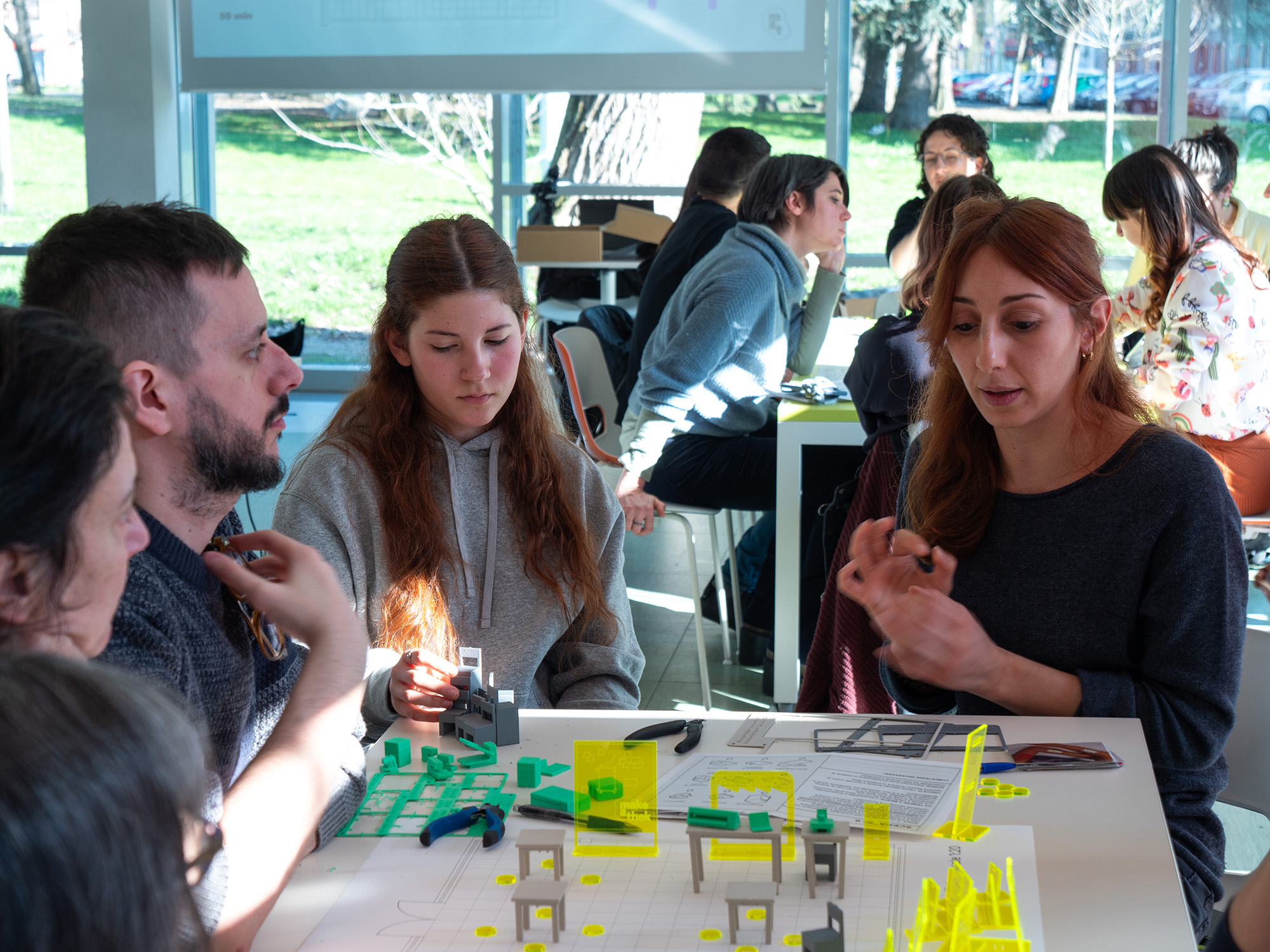
"Honestly? It just feels like: okay, I want to stay here all day and make stuff," said one Budapest citizen at the Ervin Szabó Library. Another added: "It was amazing the space just pulled you in. One minute you're watching, the next you're already trying things out and talking to people you've never met before." In Barcelona, the pilot team called the toolkit "a useful tool for organizing the ideas that emerge in the different workshops," useful too for tracking a project's evolution over time. A librarian in Kranj described the resources as "both useful and enriching," offering meaningful support in daily work.
The launch is a beginning, not an endpoint. The platform will keep evolving with feedback from libraries, trainers and experts, new resources, examples, translations, case studies and implementation stories, building toward a living archive of shared practice.
If you would like to leave feedback: https://forms.gle/41ySNfZfimZm2Jkt8